Sunday, June 24, 2018

The Best Approach to Teach Comprehension


As a Reading Specialist, I don't believe there is a single best way to teach comprehension, rather several strategies to employ. Every student learns differently and has their own strengths and weaknesses. Focusing on what they do know has tremendous benefits. 


Within my training and teaching, I've created a handful of resources to help teachers, in all content areas, help readers become confident readers and therefore better at comprehension. 


Below are several ideas/approaches you may want to employ in 

the up coming school year.


Cueing and Prompting Strategies are an                                     Prompts and Sentence Frames offer 
excellent way to focus on and enhance                                       a 'frame' of the sentence to be  completed.
what the reader knows. More effectively                                    They are helpful when students are 'stuck'
reaches individual needs.                                                                        and to use key vocabulary at a level in
                                                                                                          which they may be at a higher level.
                                                                                  
FIND IT HERE                                                         FIND IT HERE


Utilizing sentence frames helps students                             Summarizing teaches students to recognize 
of all proficiency levels incorporate higher                           what is most important in a text. It helps 
levels of language into their reading and writing.                   teach how to integrate the most important
FIND IT HERE                                                                   details and ideas in a meaningful way. 
                                                                                                 FIND IT HERE                                                                                                                                                          


Activate Strategies are a variety of engaging                           Context clues are words, sentences, and even 
strategies that set students up within a                                     pictures or illustrations are in close proximity  
familiar context of what they currently know.                    better understand what they read and to 
FIND IT HERE                                                       a word and helps to explain its meaning. 
                                                                                             FIND IT HERE


Inferring is the ability to understand                                     Rereading is a skill that helps develop and       when text all the information is not                                        maintain fluency, accuracy and  comprehension.          specifically written.                                                                                                                                               FIND IT HERE                                                   FIND IT HERE

Think Aloud is a teaching strategy that 

allows students to hear the thought 

process of a good reader.


Strategies can be tailored to ANY 
topic, story, or area of study at any level. 

Excellent for Cross-Curricular!

Saturday, April 14, 2018

Go Figure!


Puns have always been a part my family. 
They take a sharp mind and a degree of knowledge of the English language.
Or is there more to it?

Thinker At A Loss Consider Play Question M


The use of figurative language dates back as far as the ancient Greek and Roman philosophers. Aristotle believed that figurative language was not as much a way to 
embellish language, but more a verbal way to express how people think and process information in order to understand more complex concepts.

Think about it. When we try to explain a new concept, we often compare it to something that is known. I had no concept of Pickleball. Clearly, it did not involve a ball and pickles! I was able to gain a better understanding when it was compared to things I was familiar with: ping-pong, badminton, and tennis. I still do not understand the rules or could I go out and play Pickleball, but I have a much better basic understanding of the game.

Figurative Language is prevalent in our lives; not only through deliberate use of literary elements, but because the human brain reacts positively to similes, metaphors, puns, onomatopoeia, oxymoron's, and such when attempting to understand new concepts. As educators, we find ourselves having to come up with umpteen alternative ways to explain just a single concept. We offer comparisons, exaggerations, opposites, humor, personification, and rhyming/repetitive sounds as opportunities for students to make a connection.

⇸⇸⇸⇸⇸⇸⇸⇸⇸⇸⇸⇸⇸⇸⇸⇿⇿⇿⇿⇿⇿⇿⇿⇿⇿⇿⇿⇿
Similes
Your wonderful singing:  You sounded like angles!
I'm soooo busy:  Busy as a bee.
Noise level in the cafeteria: As loud as a screaming baby.
Metaphors
Class behavior: This place is like a zoo.
The technology lab: The computers are as old as dinosaurs.
Recess:  The kids looked like monkeys on the jungle gym.
Hyperbole 
Do you have any homework?   A ton!
What is you mom going to do when she finds out you didn't study?    She's going to kill me!
You eat so much!  My stomach is a bottomless pit.
Oxymoron
Stop whining, you are acting like a big baby.
When you make that face you look pretty ugly.
That's a definite maybe.
I am listening to you, can't you see that I'm all ears?
Onomatopoeia 
Sheep say "baa".
The snake will hiss at you if you get too close.
Cock-a-Doodle-Do!
Alliteration
The big bad bear bit the bike seat. 
Mickey Mouse
She sells seashells at the sea shore.
Personification 
Lightening danced across the sky.
The last piece of pie is calling me.
Time flies.
⇸⇸⇸⇸⇸⇸⇸⇸⇸⇸⇸⇸⇸⇸⇸⇿⇿⇿⇿⇿⇿⇿⇿⇿⇿⇿⇿⇿


Why Figurative Language is Important
Since figurative language is so prevalent in our daily lives, it is important to teach students to decipher their meanings. It may seem trivial to know the difference between a metaphor and a simile or between onomatopoeia and alliteration, but the need to understand their meanings is not trivial. Understanding figurative language is not only a sign of strong literacy skills, but allows us to better function in society.

Using Figurative Language 
- engages readers
- creates pictures or word pictures
- makes complex concepts easier to understand
- allows a less complex way to explain a difficult concept
- adds elements, such as mood, tone, emotion, and humor, to writing
- makes places, events, and actions more relatable 
-  helps readers focus on the message, what the author is trying to convey 
- strengthens writing
- is more compelling 

Below are a couple of my favorite resources to teach figurative language.

~ IDIOMS ~

SAMPLE
(Please excuse the video quality as I had to 'hack' 
uploading a secure animated PowerPoint)


⇸⇸⇸⇸⇸⇸⇸⇸⇸⇸⇸⇸⇸⇸⇸⇿⇿⇿⇿⇿⇿⇿⇿⇿⇿⇿⇿⇿
 ~ PUNS ~


⇸⇸⇸⇸⇸⇸⇸⇸⇸⇸⇸⇸⇸⇸⇸⇿⇿⇿⇿⇿⇿⇿⇿⇿⇿⇿⇿⇿

 ~ Similes ~


⇸⇸⇸⇸⇸⇸⇸⇸⇸⇸⇸⇸⇸⇸⇸⇿⇿⇿⇿⇿⇿⇿⇿⇿⇿⇿⇿⇿

~ Metaphors ~
    
      FIND IT HERE!


⇸⇸⇸⇸⇸⇸⇸⇸⇸⇸⇸⇸⇸⇸⇸⇿⇿⇿⇿⇿⇿⇿⇿⇿⇿⇿⇿⇿
                         
~ Hyperboles ~


Sunday, March 25, 2018

Spring Into Reading. Hook Them for the Summer.


SPRING INTO READING
and
Hook Them for
Reading this Summer!


Post spring break to the final day of the school year can be a long haul. Adding some educational fun and relaxation can shorten the haul, give you a breather, and give your students exposure to different types of books and reading. Incorporate story time in to the remaining days of school. Who doesn't like to sit back, close their eyes, and listen to a story?

Below are suggested grade level books with main topic/theme in parentheses. I've included both book series (get them hooked and wanting to read) and favorites. These are merely suggestions, nothing carved in stone. Please use the comment section at the end of the blog to let us know your favorite series and/or book/s to read to your class.


Kindergarten Level Books

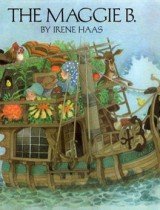
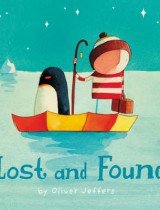
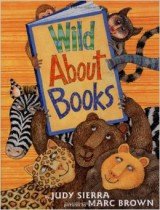
Letters From a Desperate DogThe Maggie BLost and FoundWild About Books
   (dog in the family)          (adventure)                (friendship)                  (adventure)
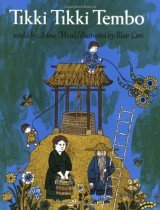
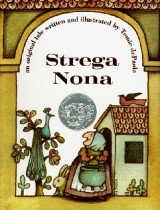
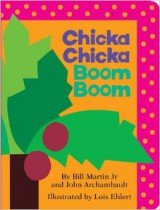
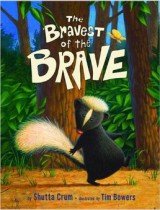
Tikki Tikki TemboStrega NonaChicka Chicka Boom BoomThe Bravest of the Brave
   (other cultures)                (mystery)                   (humor)                     (fantasy)


1st Grade
SERIES - Get 'em hooked!
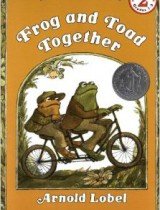
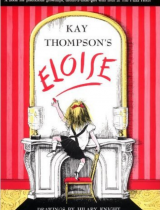
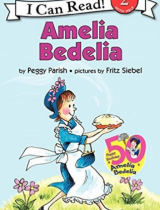
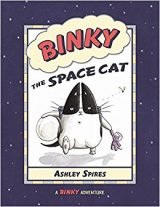
Frog and Toad TogetherEloise- A Book for Precocious Grown-upsAmelia Bedelia book seriesBinky the Space Cat
   (making friends)          (independence)           (play on words)       (comic book lovers)
                                                                         
FAVORITES
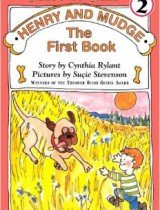
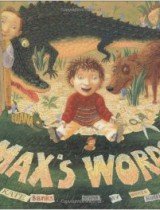
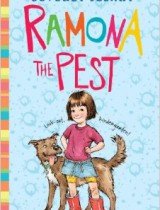
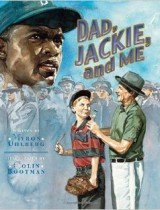
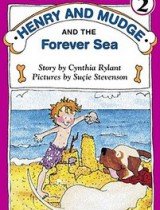
Henry and MudgeMax's WordsRamona the PestDad, Jackie and Me
         (realism)                      (realism)                 (liking school)        (historical fiction)


2nd Grade
SERIES - Get 'em hooked!  
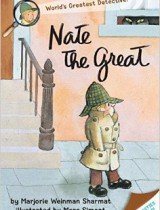
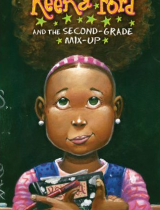
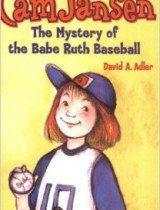
Nate the Great book seriesScreen Shot 2015-12-16 at 12.49.51 PMHenry and MudgeCam Jansen and the Mystery of the Babe Ruth Baseball
       (detective)           (trouble and laughter)     (enormous dog)              (mysteries)

FAVORITES
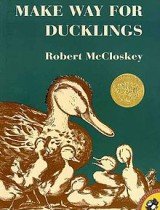
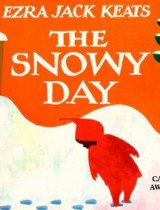
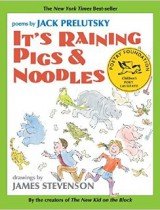
 Ira sleeps overMake Way for DucklingsThe Snowy DayIt's Raining Pigs & Noodles
         (humor)                      (classic)                       (realism)                   (rebels)


3rd Grade
SERIES - Get 'em hooked! 
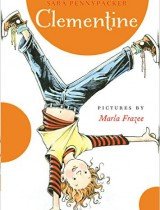
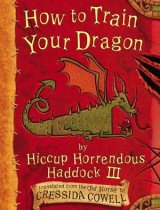
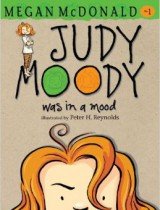
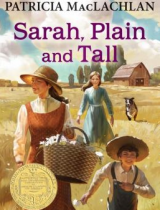
ClementineHow_to_Train_Your_Dragon_2003_book_coverJudy MoodySarah plain and tall
        (mischief)                     (humor)                   (realism)                 (pioneer life)

FAVORITES
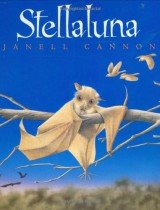
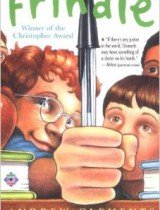
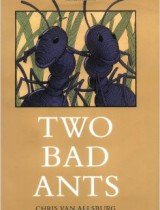
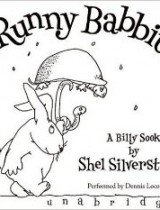
StellalunaFrindleTwo Bad AntsRunny Babbit- A Billy Sook
    (making friends)             (realism)                      (fantasy)                (humor, words)


4th Grade
SERIES -  Get 'em hooked! 
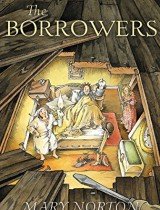
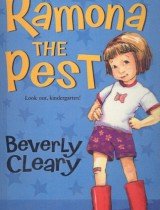
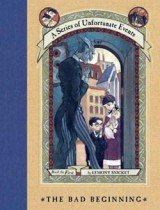
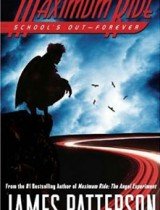
The BorrowersRamona-the-pestSeries of unfortunate eventsMaximum ride
     (imagination)                  (mischief)             (humor, vocabulary)    (science fiction)

FAVORITES 
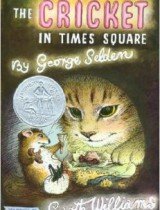
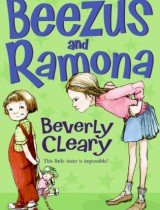
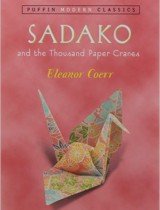
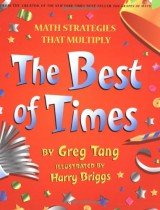
The cricket in times squareBeezus and RamonaSadakothe best of times math strategies that multiply
       (adventure)                  (siblings)                   (classic)                      (numbers)
                                                                                                
5th Grade
SERIES - Get 'em hooked! 
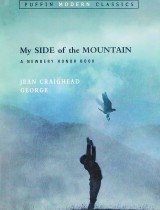
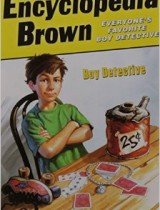
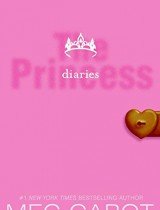
Artemis FowlMy Side of the MountainEncyclopedia Brown book seriesThe Princess Diaries
        (fantasy)             (nature, time alone) (want to be detectives) (want to be royalty)

FAVORITES
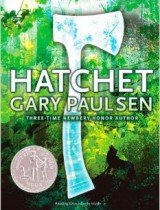
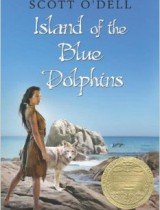
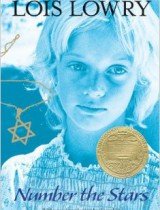
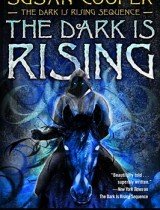
 HatchetIsland of blue dolphinsNumber the starsThe dark is rising
         (adventure)           (historical fiction)       (historical fiction)             (fantasy)


  GIVE THEM 
A REASON
TO READ

💙 Share the Love 💙
Use the  comment section below to
SHARE YOUR FAVORITE STORIES
TO READ TO YOUR STUDENTS


Opening the Lines of Communication  Between Teachers and Families We are all well aware of the importance of open lines of communica...